
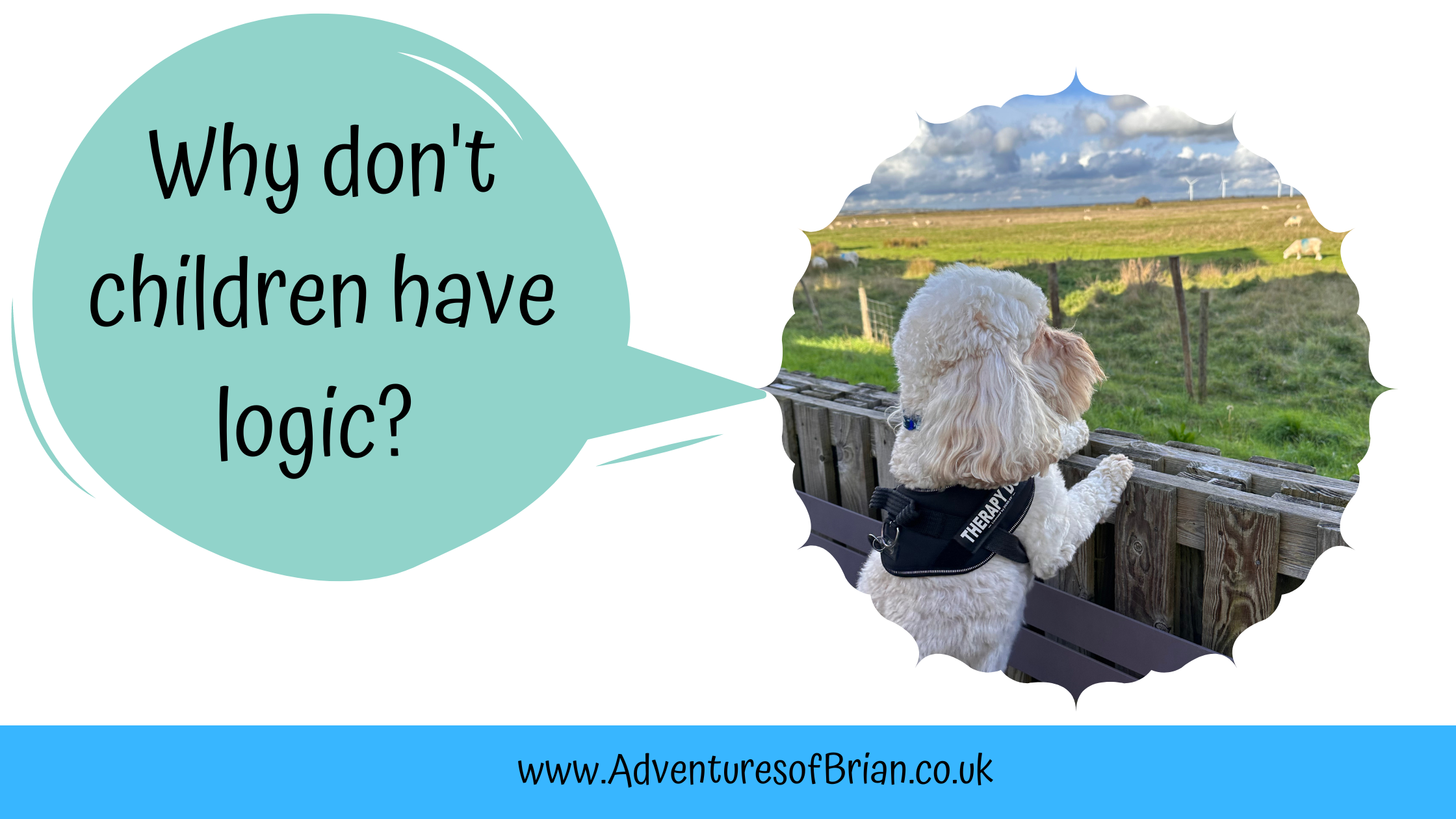
When you were younger, did you ever have an adult say to you:
‘Why didn’t you think this through?’
‘Didn’t you think about that happening?’
‘Why didn’t you consider the consequences?’
Having worked with children for over 25 years, I frequently reflect back on how much things have changed in our understanding of working with them. When I began my career in the early years sector, we ‘practiced’ handwriting 1-2 times a day in handwriting books, watched TV after lunch in nurseries and the reference to neurodivergence was null and void. Fast forward to now and we have learnt so much about children, but something that I feel really changed my understanding was about their brain development.

The pre-frontal cortex, an area of the brain located in the front of the brain, is responsible for: decision making, logic, analytical thinking, problem solving, planning, attention, impulse control, emotional control, memory and cognitive flexibility.
It is thought that the prefrontal cortex develops from around the age of 12 years old and matures until the age of 25, some studies indicate that this may be as late as 28 years old. Therefore, during this time, children make their decisions based on emotions, rather than logic.In the period whilst the prefrontal cortex is developing, children may struggle with:
Sharing
Empathy
Self-control
Recognising the potential consequences of actions
Compassion
Decision making
Managing emotions
Expressing emotions
Anger management
Therefore, most often, when children make mistakes they did not stop to think about ‘what could happen’ but were caught in a moment and got lost in it. In much the same way, we can see fears and worries spiral finding it hard to understand ‘logically’ that those things may not happen (think monsters under the bed, characters jumping out of computers).
Our prefrontal cortex development is supported through experiences, guidance and opportunity to reflect. Which is often why so many consequences that are imposed do not correct behaviour. We develop this thinking and learn how to recognise, manage and respond to our emotions and mental health through:
Life experience
Education
Natural brain development
Development of emotional literacy
Development of emotional regulation
Development of self-esteem and resilience
How can we embed these into everyday experiences?
Want to learn more?
Are you looking for a deeper understanding of child mental health? Our Level 4 Child and Adolescent Mental Health Coaching Diploma takes you into an in depth dive of child mental health and how you can support. You can join our Level 4 training (here).
© Adventures of Brian – All Rights Reserved
 Further Support

You can read more about by downloading our FREE Ebooks – HERE
You can learn more about child mental health by visiting – HERE
You can find therapeutic story books to support your child at – HERE
You can find therapeutic stories and hypnotherapy audios to support children’s emotions – HERE
