
Interoception is the ability to identify, understand and respond to the state of the inside of our body. It involves the awareness that we have of our internal bodily signals, and whether we can interpret what these mean. This includes aspects such as hunger, thirst, heart rate, body temperature, breathing rate, emotions and our digestive system. Being aware of our internal systems is crucial to understanding our feelings and behaviours as well as being able to act upon these. For instance, recognising that a rumbling stomach ache means that we are hungry and need to eat, or a dry mouth means we are thirsty and need to drink. It is also vital to our understanding of feelings that we experience, such as stress, irritability or excitement. Interoception is an aspect of development which is frequently difficult for those who are neurodivergent, such as having a diagnosis of autism spectrum disorder and ADHD.
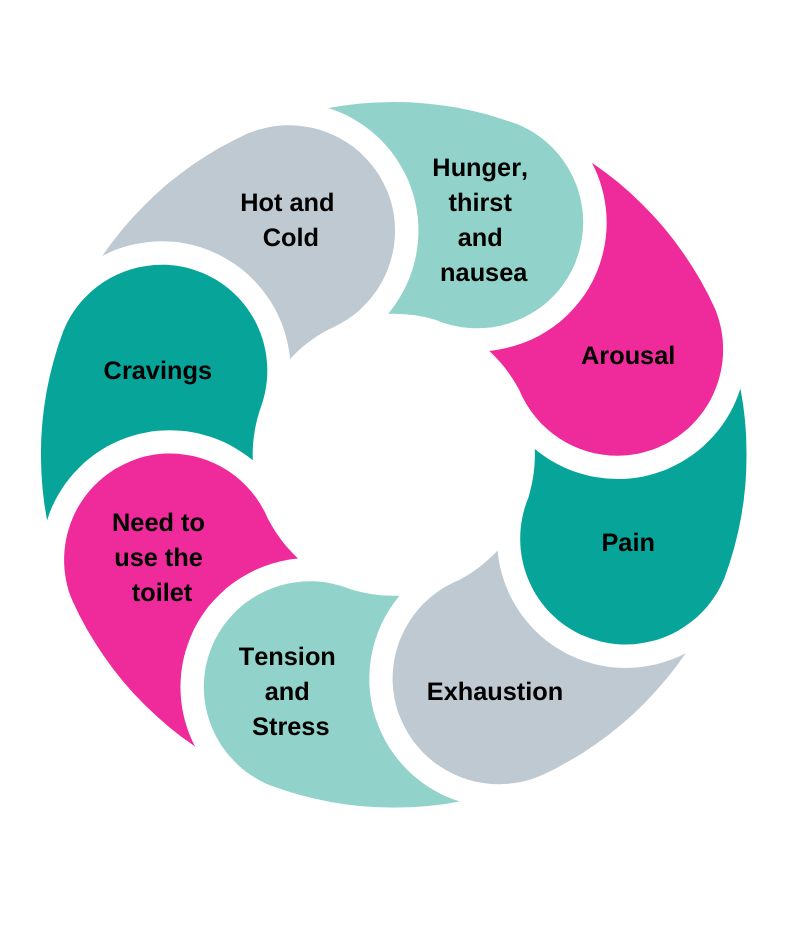 When we have interoceptive awareness we are able to read our body’s signals and respond to them. This includes knowing when you are hungry, thirsty, hot or cold, when we need to sleep or use the bathroom. For instance, you would recognise that you were cold and need to put on a jumper. Or were thirsty and need a drink, so go and make one.
Where someone has poor interoceptive awareness they can struggle with:
Poor emotional regulation
Poor self-regulation
Not recognising cues and signals
Not meeting own basic needs
Difficulty with social interactions
When someone has poor interoception, as they cannot sense the feelings inside their body, rather than respond to them they may become frustrated or irritable, have difficulty concentrating or sitting still, which may lead to emotional outbursts, meltdowns or arguments.
This also means that children are unable to read anxiety and stress, or understand what they mean. Therefore, when they experience stress and anxiety we are more likely to see dysregulated behaviours rather than feelings being expressed.
When someone is struggling with poor mental health, naturally their interoceptive awareness can diminish, and this is exasperated where their interoceptive skills were already low. This can impact the ability someone has to express themselves, self-regulate, self-manage and self-care. For instance, someone who is stress can be overwhelmed and find sensory input more challenging, which impacts the ability to self-manage skills such as eating, drinking or even recalling they need the bathroom. This can further exasperate stress and anxiety symptoms.
Anxiety may present itself as:
Sensory processing needs
Auditory complaints
Challenges with social interactions
Challenges with social communication
Feeling restless or edgy
Performance anxiety
Avoidance
Stress may present itself as:
Defiance
Struggles to learn, concentrate or communicate
Difficulties accessing memories
Rejection sensitivity
Negative feelings and thoughts about self
Exhaustion
Hiding or avoiding
Having an awareness of interoception and working with an occupational therapist to support children to develop their skills in self-management is often an important puzzle piece in holistic care.
Want to learn more?
Are you looking for a deeper understanding of child mental health? Our Level 4 Child and Adolescent Mental Health Coaching Diploma takes you into an in depth dive of child mental health and how you can support. You can join our Level 4 training (here).
© Adventures of Brian – All Rights Reserved
 Further Support

You can read more about by downloading our FREE Ebooks – HERE
You can learn more about child mental health by visiting – HERE
You can find therapeutic story books to support your child at – HERE
You can find therapeutic stories and hypnotherapy audios to support children’s emotions – HERE
